
Leave Your Message
High-performance UV LED engineering optimized for 3D printing post-processing and industrial resin curing.


The manufacturing sector is undergoing an unprecedented technological shift, driven by the demands for rapid throughput, ecological sustainability, and unmatched precision. At the heart of this transformation in the additive manufacturing and coatings sector is the UV LED Linear Curing System. Unlike traditional mercury arc lamps that emit broad-spectrum light and intense heat, modern UV LED linear curing systems deliver highly targeted, uniform wavelengths of ultraviolet light. This precise output is critical for cross-linking photopolymers in 3D printing and curing advanced industrial resins.
From a commercial perspective, the adoption of UV LED technology has moved from a luxury upgrade to an industrial necessity. Environmental regulations globally, including RoHS and CE certifications, are tightening restrictions on mercury usage and greenhouse emissions. UV LED linear systems represent a mercury-free, ozone-free alternative that aligns with strict corporate sustainability goals. Furthermore, the operational lifespan of a UV LED module routinely exceeds 20,000 hours, compared to a mere 1,000 to 2,000 hours for traditional lamps. This drastic reduction in downtime and replacement costs directly improves the bottom-line profitability for high-volume manufacturing lines.
In the realm of 3D printing, especially stereolithography (SLA), digital light processing (DLP), and multi-jet fusion, post-curing is a pivotal step. When a part is printed, it exists in a "green" state where polymer cross-linking is incomplete. A UV LED linear curing system provides the uniform, high-intensity irradiance required to achieve maximum mechanical strength, thermal resistance, and aesthetic finish of the printed parts.
Large-scale industrial 3D prints require even light distribution across their entire surface area to prevent warping and uneven shrinking. The linear configuration of UV LED arrays ensures that as parts travel on a conveyor system or rotate within a curing chamber, they receive a constant dose of radiation. By utilizing specific wavelengths—typically 365nm for surface curing and 395nm/405nm for deep-section cure penetration—manufacturers can tailor the curing profile to the exact chemistry of the resin.
For high-speed, continuous 3D printing processes, the UV LED linear light source plays a critical role in curing resins layer-by-layer at the projection interface. The high irradiance levels and precise thermal management of water-cooled UV LED systems prevent heat buildup at the oxygen-dead zone, enabling continuous, uninterrupted printing with micro-level accuracy.
Sulodak (Shenzhen) Technology Co., Ltd located in Shenzhen, Guangdong, China. Starting in 2020 and has passed the CE, ROHS certification. Our team has more than 10 years combined experience in UV curing systems. Our goal: Become the customer's first choice forever!
View More
Achieving optimal curing results requires a deep understanding of photopolymerization kinetics. Linear UV LED systems excel here by offering narrow-band emissions that match the absorption spectra of modern photoinitiators. Unlike mercury systems that spread energy across infrared, visible, and multiple UV bands, LED systems concentrate their electrical energy into the exact wavelength needed—most commonly 365nm, 385nm, 395nm, or 405nm.
One of the primary challenges in high-power UV LED applications is heat dissipation. Although UV LEDs do not project infrared heat onto the substrate (making them ideal for heat-sensitive materials like thin plastic films or delicate 3D printed structures), the LED chips themselves generate significant internal heat. Sulodak addresses this challenge through advanced thermal engineering:
Every Sulodak UV LED system undergoes a rigorous, multi-stage manufacturing and quality assurance process to ensure industrial reliability.


Beyond 3D printing, linear UV LED systems are critical in broad industrial resin curing applications. Modern manufacturing relies heavily on UV-curable adhesives, coatings, and inks for electronics assembly, automotive parts, and packaging. The linear format allows for seamless integration over conveyor belts, web presses, and automated robotic assembly lines.
In the electronics sector, precision is paramount. UV resins are widely used for potting, encapsulating, and bonding sensitive microcomponents. Because UV LED systems emit no thermal infrared radiation, delicate substrates such as PCBs, microprocessors, and camera sensors are protected from thermal stress. The linear curing profile ensures that the adhesive layer cures uniformly, eliminating internal stresses that could lead to component delamination or failure over time.
For wood, metal, and plastic coatings, linear UV curing systems provide a dry-to-the-touch finish in fractions of a second. This rapid curing cycle allows production lines to operate at higher speeds, reducing the footprint required for long drying ovens. The linear LED array delivers a consistent dosage across the entire width of the coating line, resulting in superior scratch resistance, chemical durability, and gloss consistency.
The next frontier in UV curing technology is the integration of smart sensors and AI-driven control loops. By monitoring real-time irradiance, temperature, and cure depth, systems can automatically adjust output power to compensate for LED aging or changes in line speed. This ensures a zero-defect manufacturing process, highly demanded in medical device fabrication and aerospace engineering.
Explore how Sulodak UV LED linear curing systems are deployed across various high-precision industries.


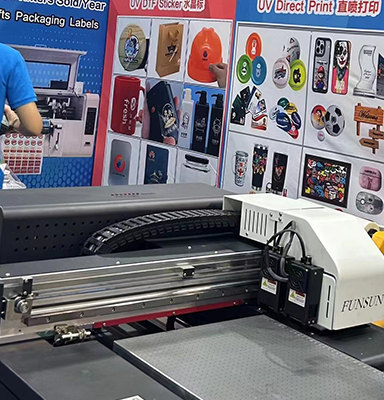
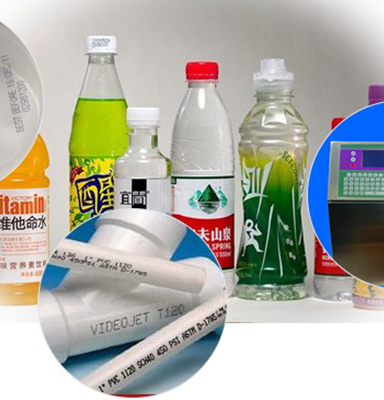
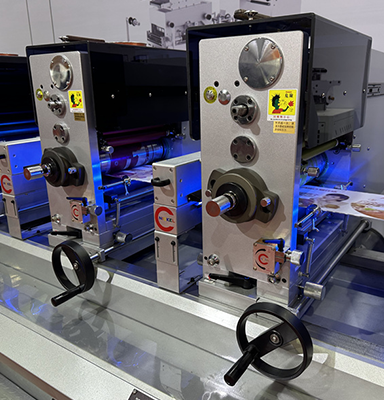
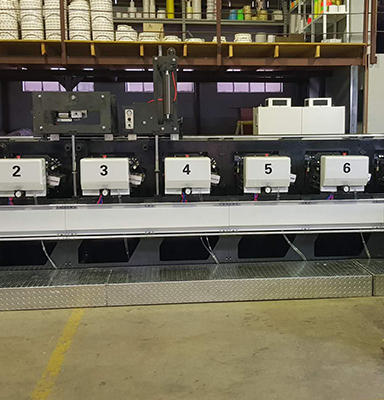


Explore our full line of customizable linear UV LED curing systems for commercial and industrial applications.


